
As the UK fibre landscape continues to evolve, one theme is becoming increasingly clear: the sector is no longer defined by the pace at which networks are built, but by the capability required to sustain, operate, and enhance them. The transition from rollout to service maturity is reshaping the workforce behind the country’s digital infrastructure, and with that shift comes the challenge of cultivating a talent pool equipped for the industry’s next phase.
In the latest Fibre Provider Viewpoint, leaders from across the industry reflected on this transformation. Their perspectives varied in tone and scope, but all carried the same message; the UK fibre sector is at a turning point, and its long-term success depends on investing in people with the right skills. NETS has been a frequent collaborator with Fibre Provider over the past few years, having not only done joint campaigns with this extremely renowned telecoms publication and industry platform, but also having participated actively at the UK Fibre Awards for the past 3 years consistently, having won “Best Business Services to the Fibre Community” category in 2023, repeating the win in 2025, in addition to winning the “Service Delivery Team of the Year” in 2025 as well as Runners-Up in “Marketing Team of the Year” & “Best Company to Work For” Categories.”
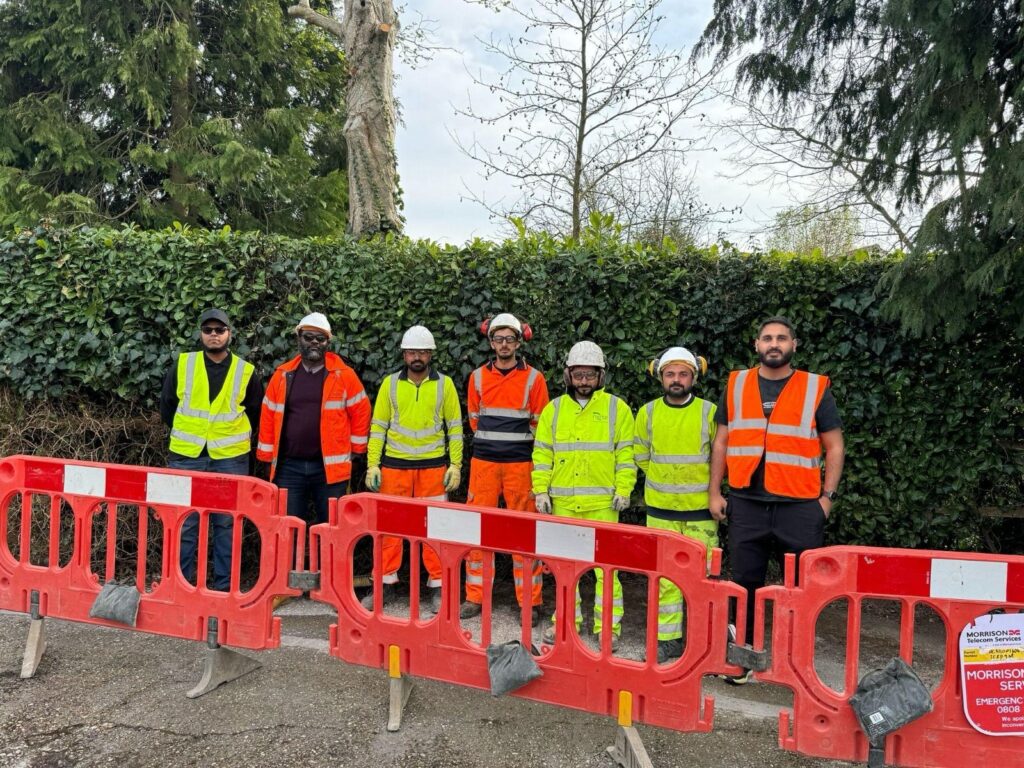
Representing NETS International, Anand Saminathan, Head of Products (Infrastructure Solutions), highlighted the most visible change: as funding slows and large-scale rollout programmes reach completion, altnets are reallocating their resources from civil construction and rapid deployment toward customer installations, network operations, and service continuity. While this transition signifies growing maturity, it also exposes a gap between the workforce that built the networks and the workforce needed to run them.
Skills shortages are emerging most sharply in areas where operational reliability depends on technical capability. Engineering roles within Operations and Maintenance, field testing, fault repair, and customer installation remain difficult to fill. Multi-skilled engineers, those comfortable with testing, splicing, commissioning, activation, and customer setup, are now in higher demand than ever. The shortage affects more than workforce planning; it influences the speed of homes connected, challenges SLA compliance, and impacts the ability of altnets to adapt their business models as the market stabilises.
Other voices in the Viewpoint echoed similar experiences. Whether from a talent development, training, or recruitment standpoint, contributors noted that the industry’s rapid expansion left little time to build structured pathways for long-term capability. As a result, the sector is now working to catch up; shifting from reactive hiring to deliberate workforce planning, investing in training programmes, and designing internal systems that support progression beyond initial technical roles.
Anand pointed to a few approaches that have proven effective within NETS: hands-on field training, multi-disciplinary development, continuous digital upskilling, and mentorship led by senior engineers. These are not abstract ideas; they are practical methods that shorten learning curves and ensure that new entrants can transition into field-ready roles with confidence. Importantly, capability-building is not limited to field engineers. Project teams and back-office teams also benefit from structured development, as their functions directly support operational readiness and customer delivery. Developing talent holistically strengthens an organisation’s ability to maintain service standards, regardless of external market conditions.
Beyond internal programmes, NETS’ experience across multiple regions underscores the importance of adaptability. The company’s work with ISPs and altnets across the UK has shown that capability varies widely between locations, and that training models must be flexible enough to reflect differing operational environments. In this sense, talent development is not just an HR function; it is a strategic capability that anchors an operator’s long-term relevance.

The broader sector is responding in its own ways. While contributors differed in how they framed the challenge; some focused on upskilling, others on career pathways or technical training – the underlying commitment to strengthening the industry’s workforce was shared. This collaborative spirit matters. The fibre sector’s growth has always been shaped by multiple stakeholders, and sustaining that growth will require the same collective effort.
As fibre operators continue to navigate the shift from build momentum to operational excellence, talent development will remain one of the most important levers for success. The networks built over the past decade form the foundation of the UK’s digital future, but it is the people who maintain, repair, and enhance them who will determine their resilience.
NETS is proud to contribute to this conversation – and to continue investing in the capability, development, and progression of the teams who keep the UK connected.
Read the full Viewpoint by Fibre Provider here: https://fibreprovider.net/news/maintaining-momentum-through-talent-development